Published
- 4 min read
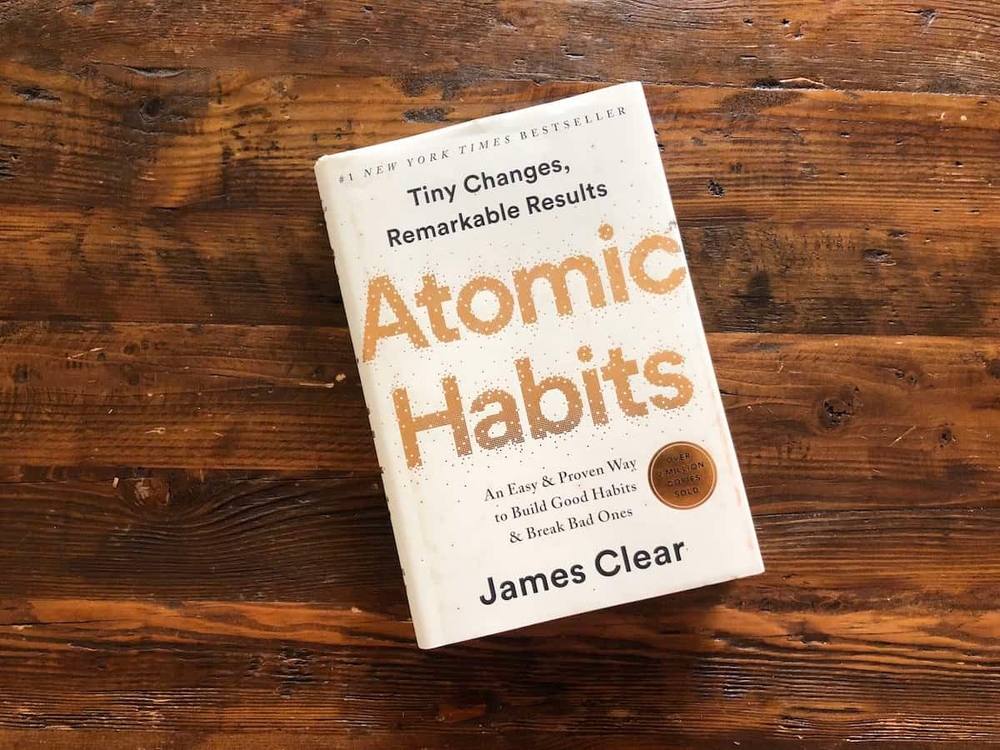
Atomic Habits
Review
Author
The author of this book is [[James Clear]] , who started his career as a performance coach for athletes and executives. He then went on to do writing and public speaking and his debut book Atomic Habits was a critical success. He also gives us a brief backstory to his life in the book. How his baseball career almost ended after a serious injury, but through hardwork and consistent habits he was able to continue his career and beyond.
Authors’ Goals
As someone who found it hard to organize tasks they needed to do each day, the premise of this book was alluring. “Tiny changes remarkable results”, the catchphrase of the book promising miniscule changes that can grow into life-altering outcomes. The author, James Clear set out bring these ideas to the reader showing them through various techniques he developed using psychology. The book encourages the reader to put into practice these strategies into their everyday life and see the impact it brings.
Summary
The power of atomic habits would surprise everyone as the tiny changes could make a big difference. Doing 1% better everyday could make a significant change a year later.
“Habits are the compound interest of self-improvement”
Focus on systems more than goals, Goals are good for setting a direction only. Systems are best for making progress.

To build good habits, we have to change our mindsets and beware 4 points. They are 1% better everyday, plateau of latent potential, focus on systems instead of goals and build identity-based habits.
In order to create good habits, we have to create a feedback loop of a cue, craving, response and reward. The cue triggers a craving. Then it motivates a response. And it provides a reward, which satisfies the craving and finally becomes associated with the cue.
 Most of the book spends time expanding on these four laws. How we can create good habits from them and stop bad habits. The various tactics used to create and maintain these habits like habit stacking, the two-minute rule, and even creating habit rituals. He finishes the book by giving advanced tips to atomic habits by talking about how to enter the goldilocks rule and even talks about how to play to your ‘strengths’.
Strengths & Weaknesses
The book has a lot of strengths working for it. For one, the author uses examples of real people who have used certain aspects of atomic habits to succeed in their goals, I especially loved the one about the photography students.
Final Thoughts $ Recommendations
My overall thoughts on the book is that it is a good read if you are interested in developing yourself. One thing that’s explained in the book is that habits are the basis of our identity, each time we developing a habit we cast a vote saying that is the type of person we are. This point motivated me to start developing good habits that help me grow as a person. I also urge you as you read, try out whatever you read that day and see the results. I highly recommend this to anyone, give it a try you won’t be disappointed.
Time magnifies the margin between success & failure…Good habits make time your ally, bad habits make time your enemy
Quotes & Findings
- Why atomic habits
- “Habits are the compound interest of self-improvement”
- “Time magnifies the margin between success & failure…Good habits make time your ally, bad habits make time your enemy”
- The plateau of latent potential
- Screw goals focus on systems
- Goals restrict our happiness
- The purpose of setting goals is to win the game. The purpose of building systems is to continue playing the game
- “The score takes care of itself” Bill Walsh
- Identity change is the north star of behaviour change
- How to build habits? cure, craving, response, reward
- The 4 laws of habit creation
- Make it visible (cue)
- Make it attractive (craving)
- Make it easy (response)
- Make it IMMEDIATELY satisying (reward)